




Tibiscum Roman Site
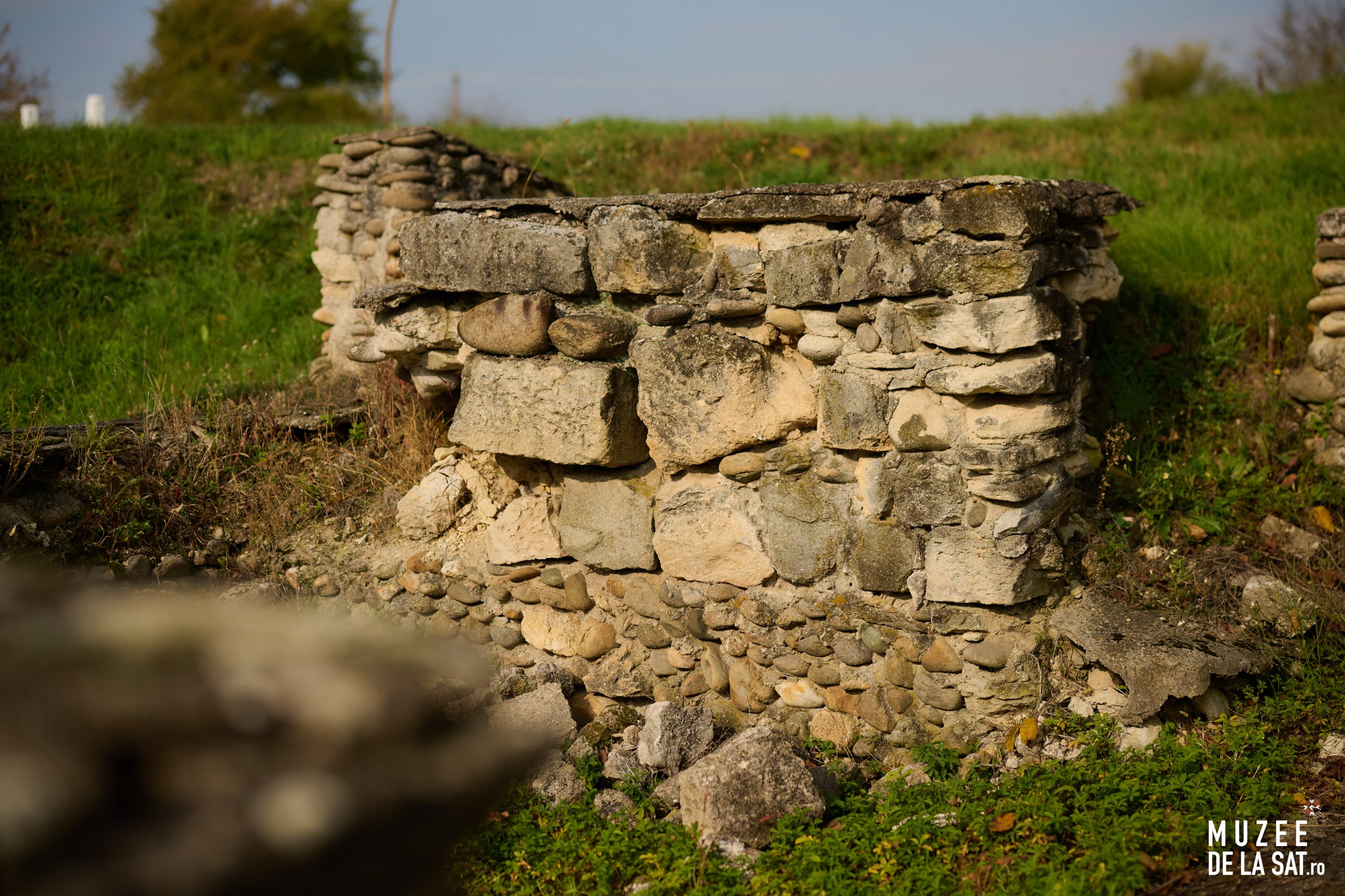
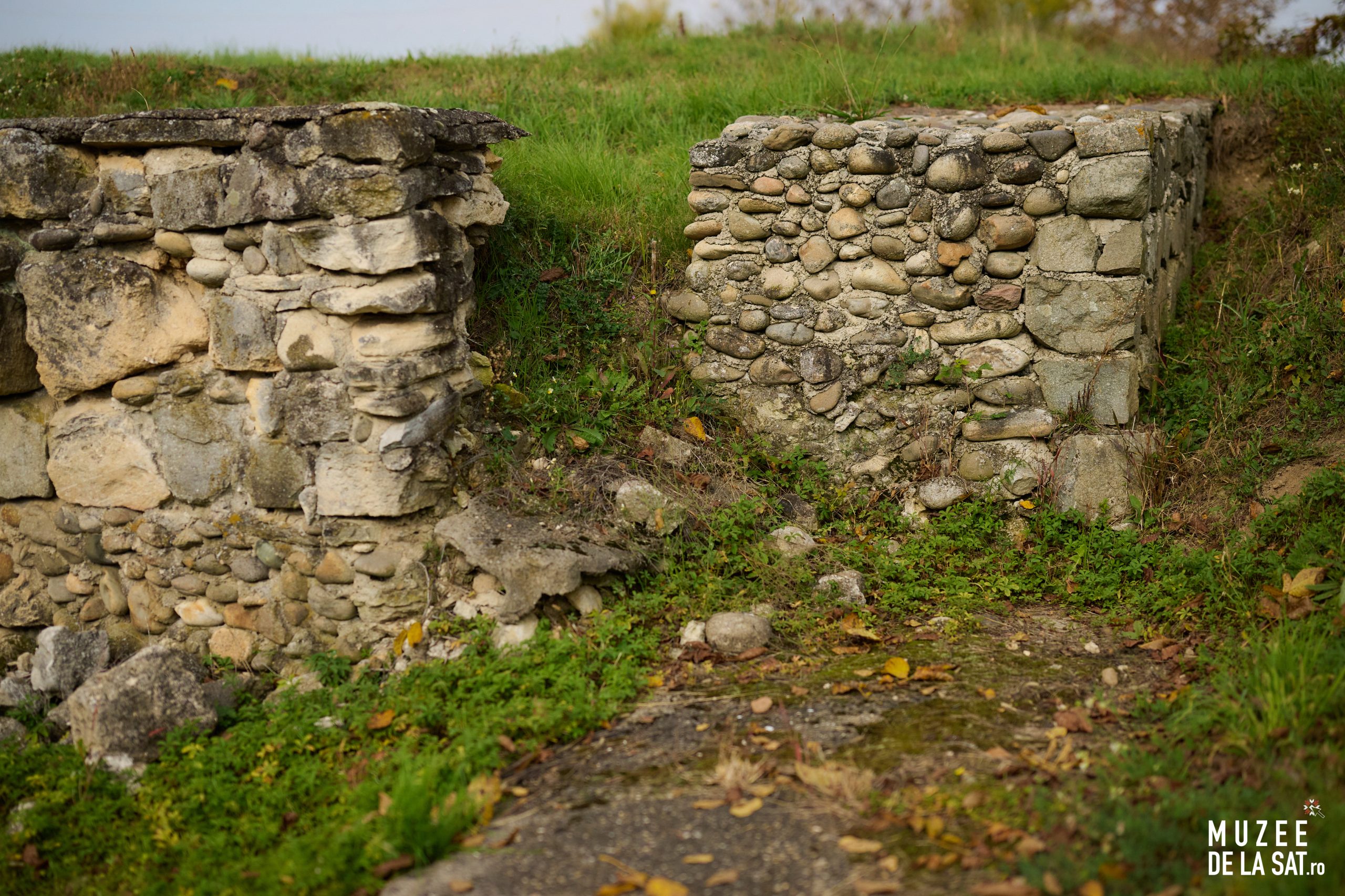
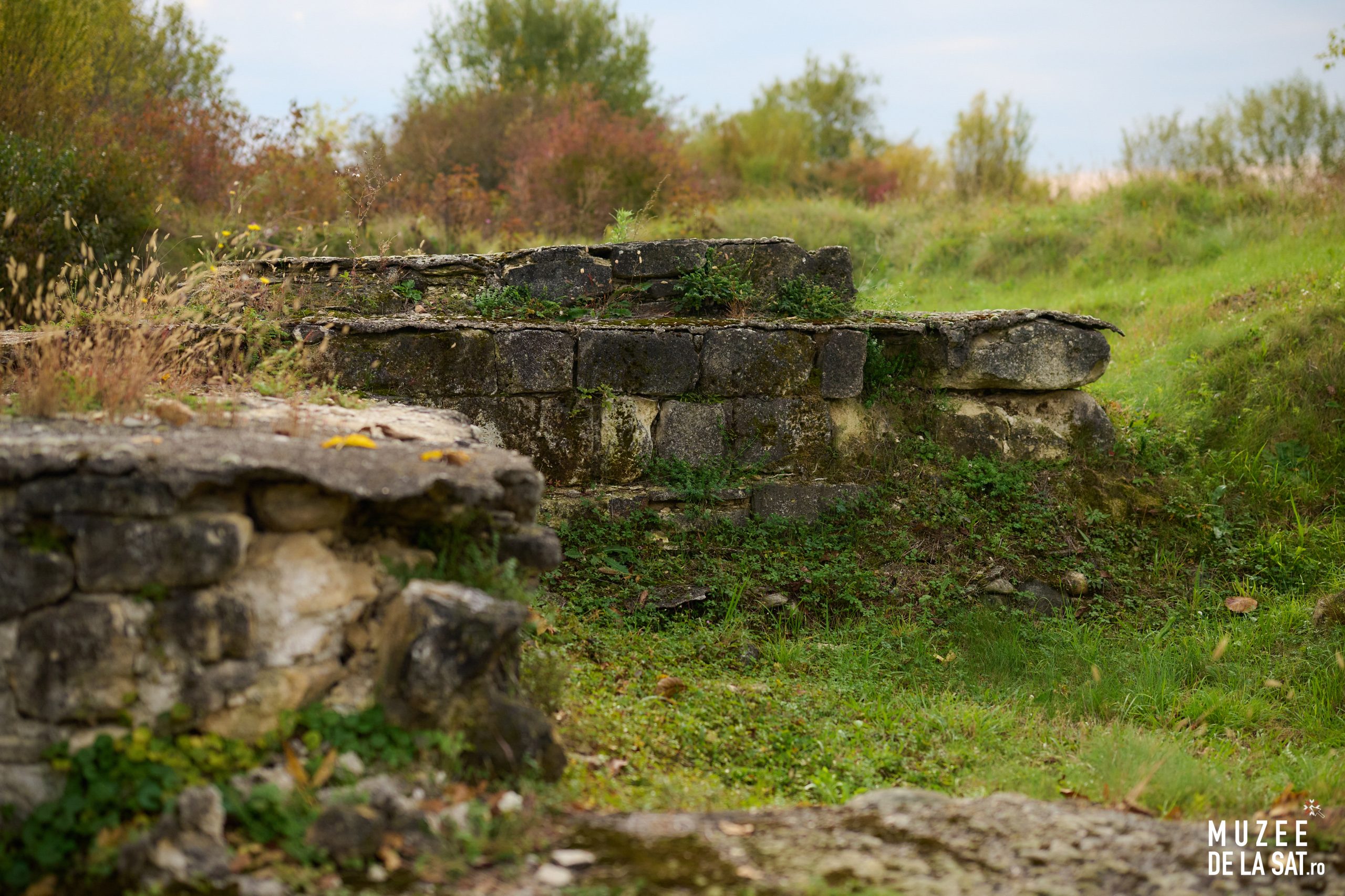
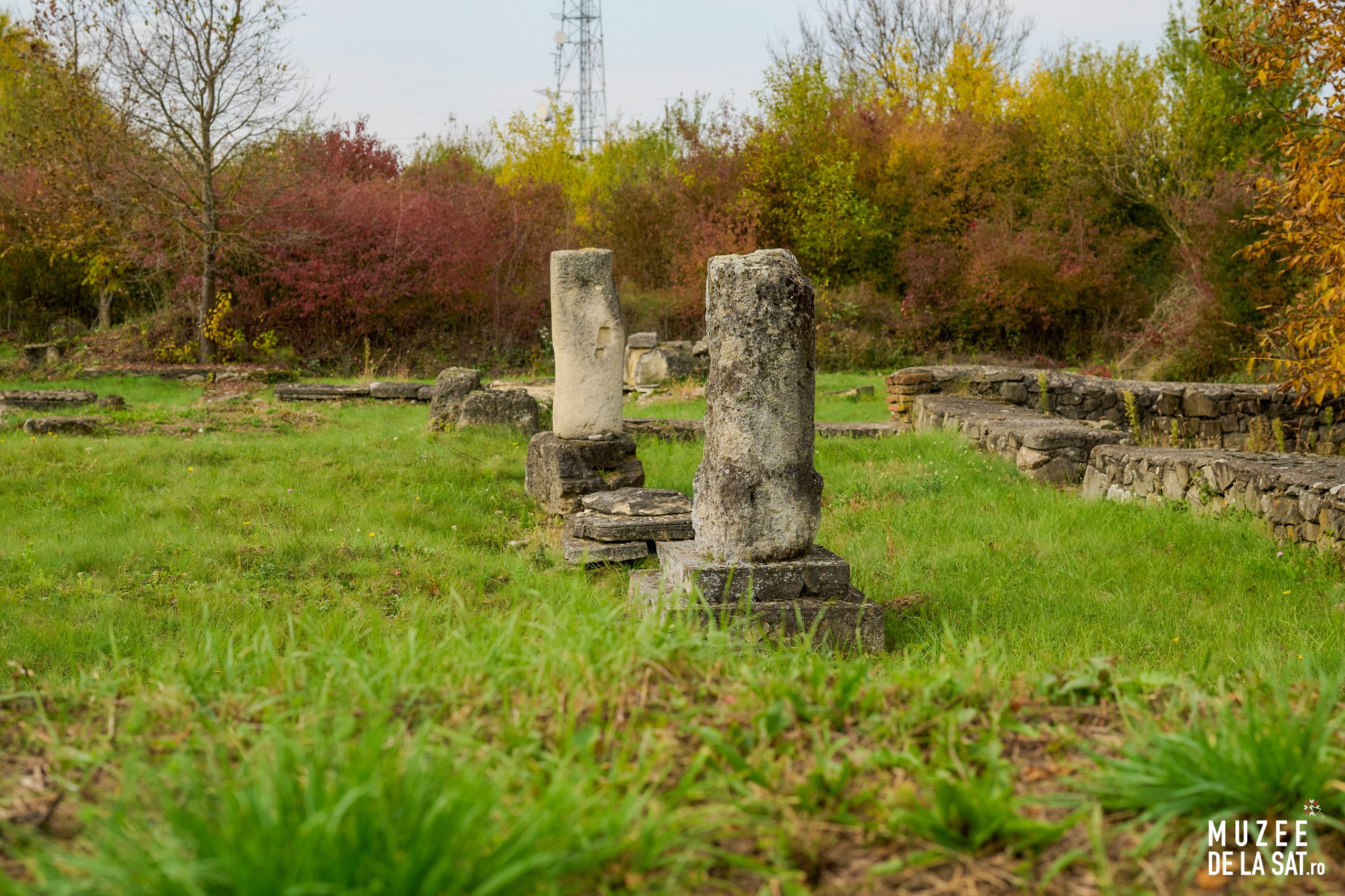
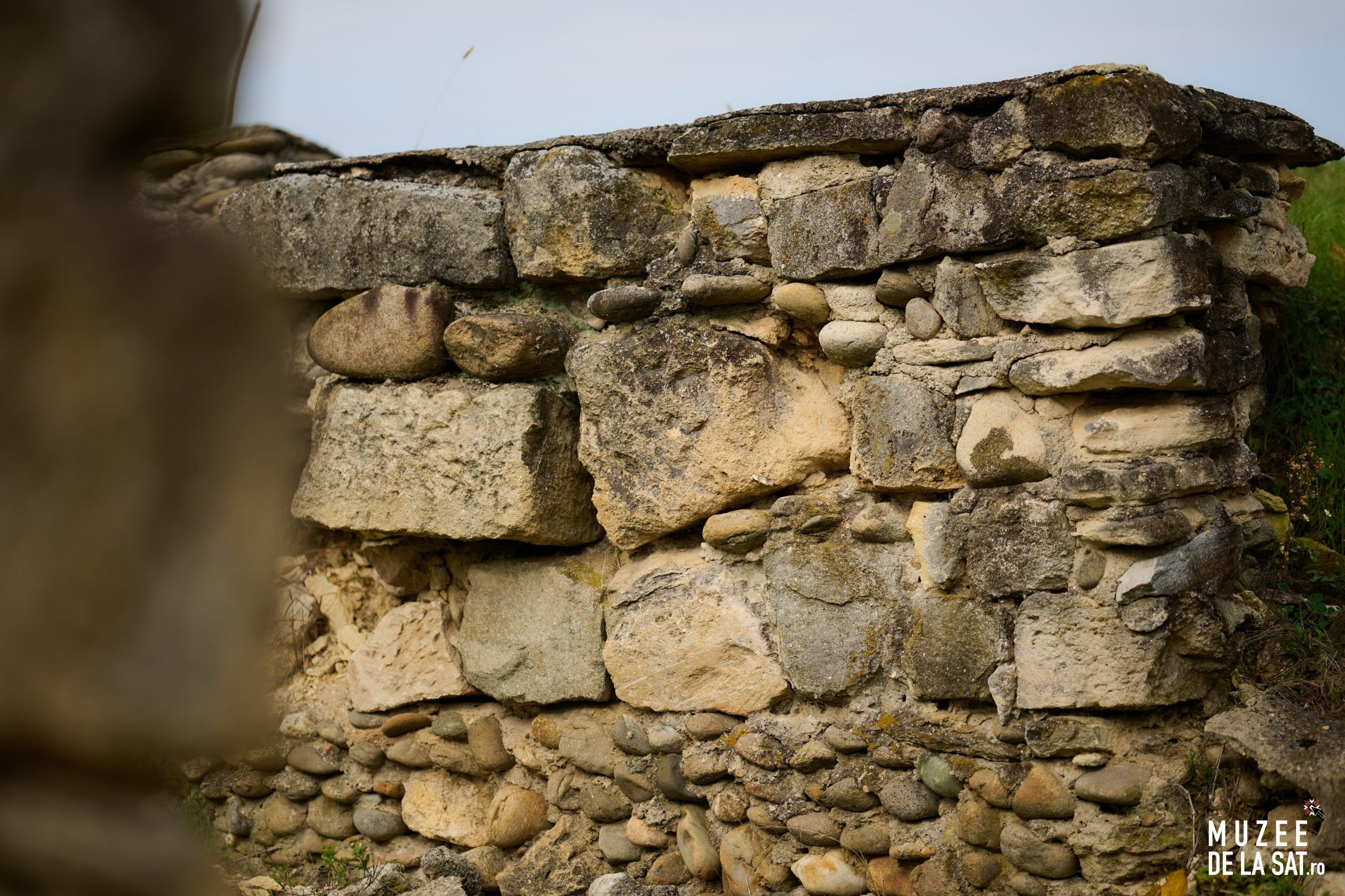
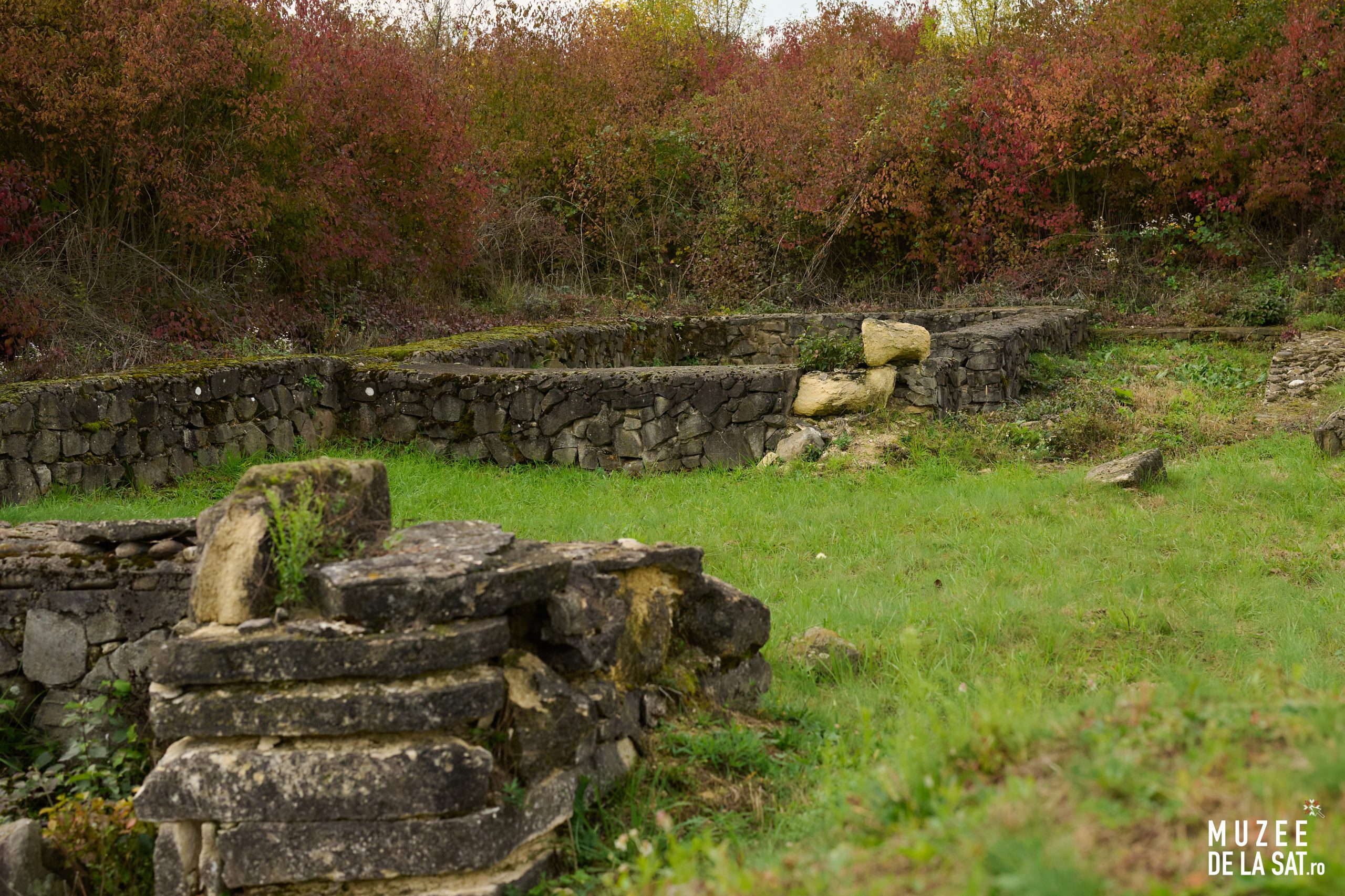
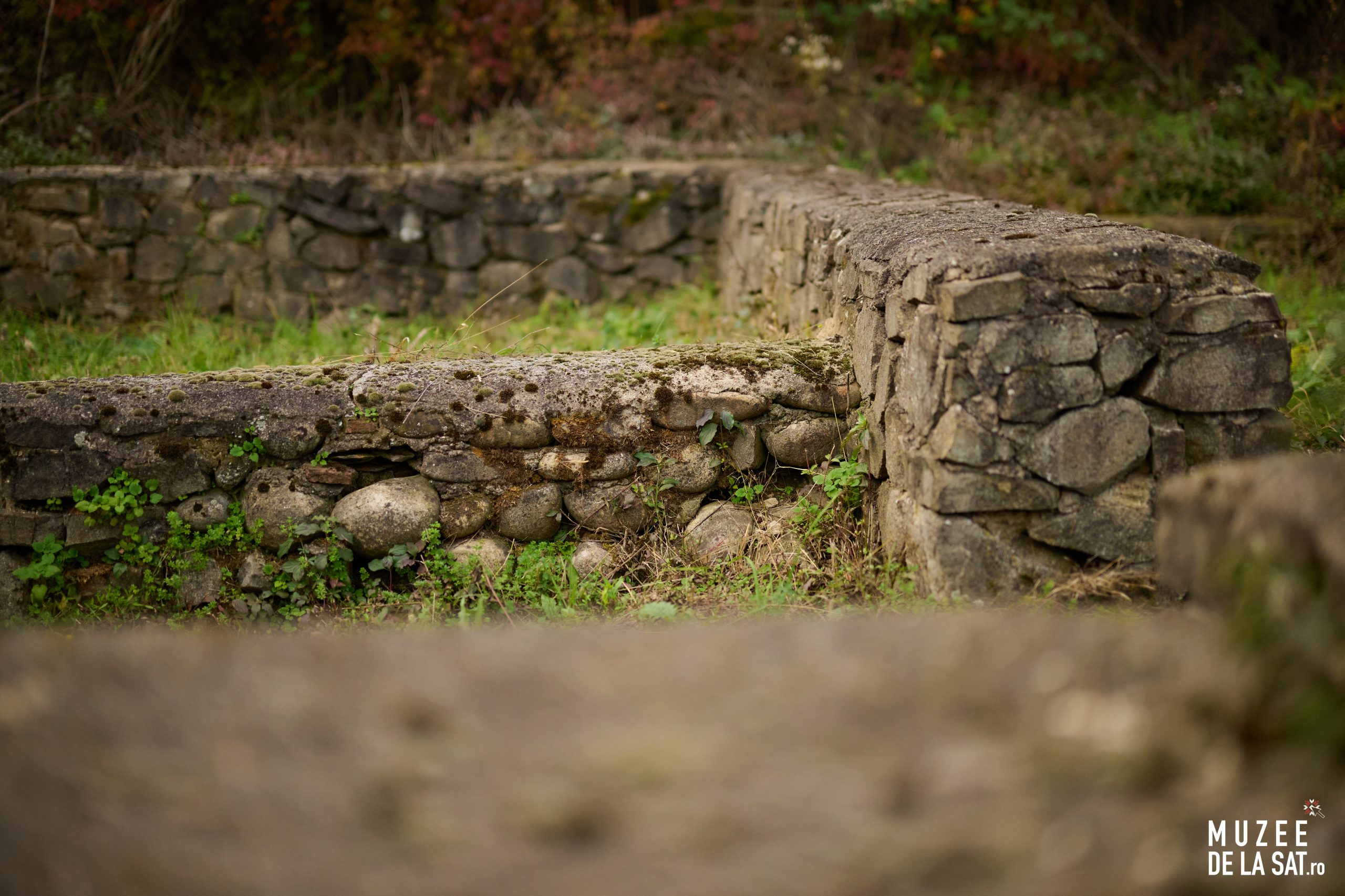
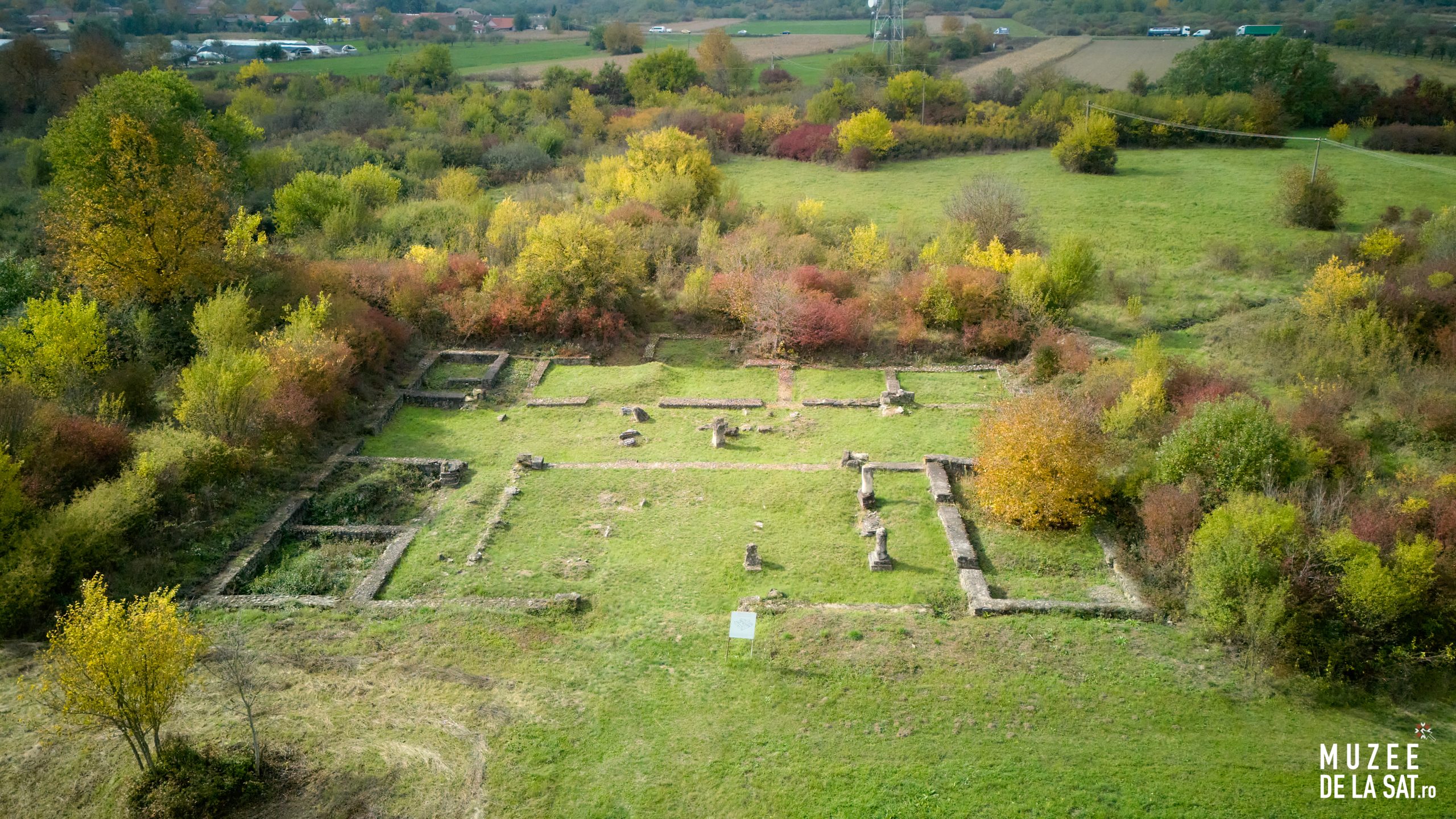
The Tibiscum Roman Site, located near the village of Jupa (Caransebeș), is one of the most important military and urban centers of Roman Dacia and a key archaeological landmark in the Banat region. Strategically positioned at the intersection of two major imperial roads, Tibiscum was established during the Dacian Wars (101–102 AD) as an earthen fort, later rebuilt and expanded in stone through several construction phases. Around the fort developed a thriving vicus that, due to its strategic role and the influx of settlers, eventually reached the status of municipium, making Tibiscum one of the most significant Roman urban centers in western Romania. Historical records from the 18th century describe walls still standing over two meters high, though repeated flooding from the Timiș River has since damaged large portions of the eastern sector, leaving mainly foundations visible today.
Throughout its history, the Tibiscum fort hosted primarily auxiliary troops, essential elements of the Roman frontier defense system. Units such as Cohors I Sagittariorum (archers) and Numerus Maurorum Tibiscensium (Moorish cavalry), known for their exceptional mobility and efficiency, were stationed here to secure the frontier. Archaeological discoveries include numerous military diplomas, proving that auxiliary soldiers received Roman citizenship upon completing their service. Excavations reveal traces of multiple building phases, evidence of a major destructive fire, and substantial urban development. Since 1990, Tibiscum has served as a training excavation site for history students from the West University of Timișoara, continuing decades of research led by renowned archaeologists such as Doina Benea, Adrian Ardeț and, more recently, Simona Regep.
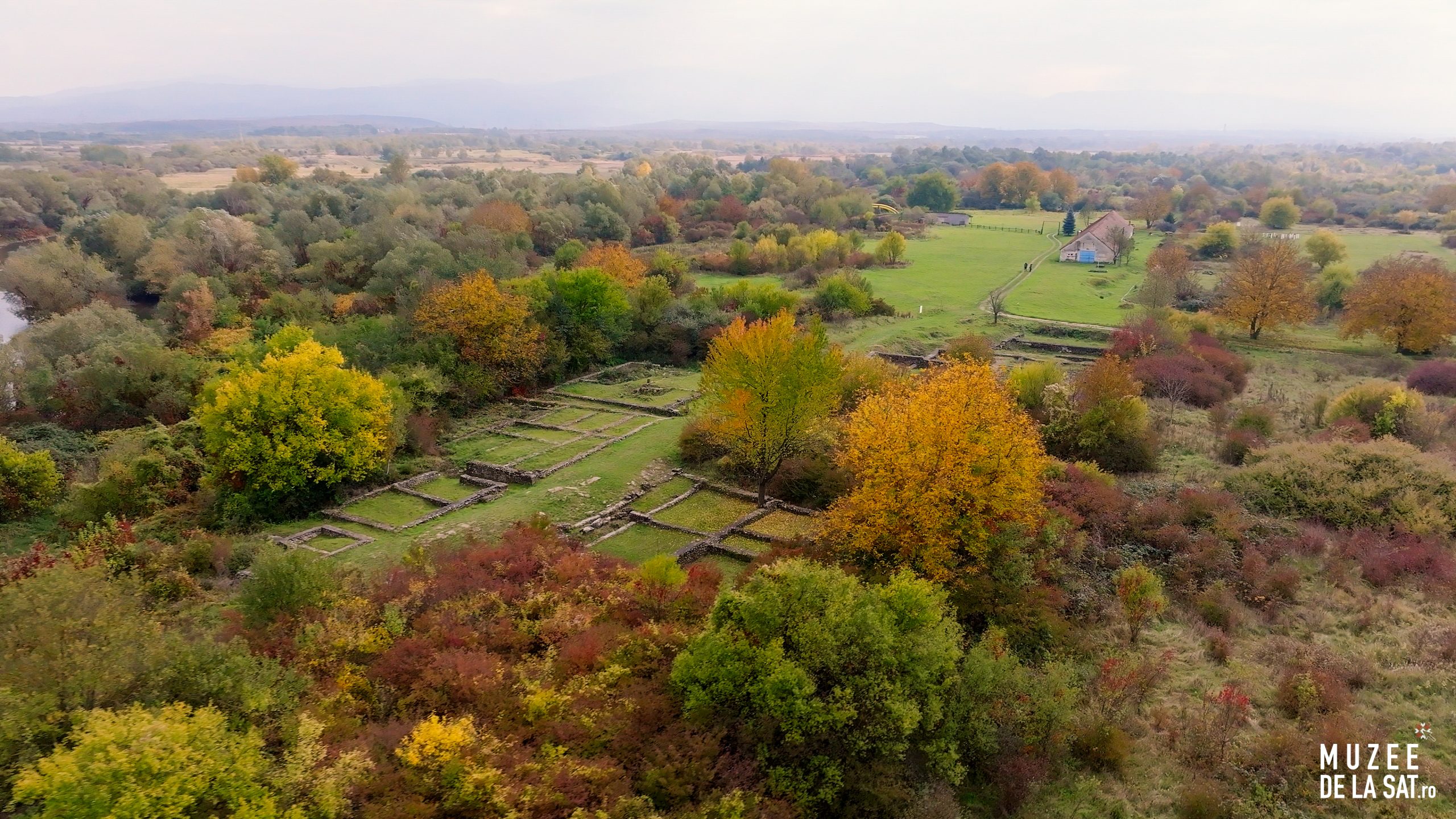
Today, the Tibiscum Archaeological Reserve covers approximately 16 hectares, offering visitors the chance to explore the Pretorian Gate, sections of the Roman town, administrative buildings, defensive structures and pathways that outline the ancient military and civic layout. As one of the most valuable Roman archaeological sites in Romania, Tibiscum provides essential insight into the military, urban and cultural life of Roman Dacia, making it a prime destination for enthusiasts of ancient history, archaeology and cultural tourism.
LOCATION
Jupa village, Caraș-Severin county
Google Maps
Interactive 3D Virtual Tour
Pentru a explora în detaliu acest tur virtual vă invităm să folosiți instrumentele de navigare aflate în colțul stânga jos și butonul „Help” din colțul dreapta jos deschide un ghid de navigare detaliat.
Interactive 3D Virtual Tour - Tibiscum Roman Site
Presentation video
For more videos, we invite you to subscribe for free to our YouTube channel.